Visual prototypes
Models with smooth surfaces, defined edges and details for presentation or review.
Site under construction. Some functionality may not work as expected or be available. Questions? Contact support@perea3d.com

Smooth surfaces and fine geometry
Resin-based printing for precise small parts, visual prototypes and models where surface quality matters.
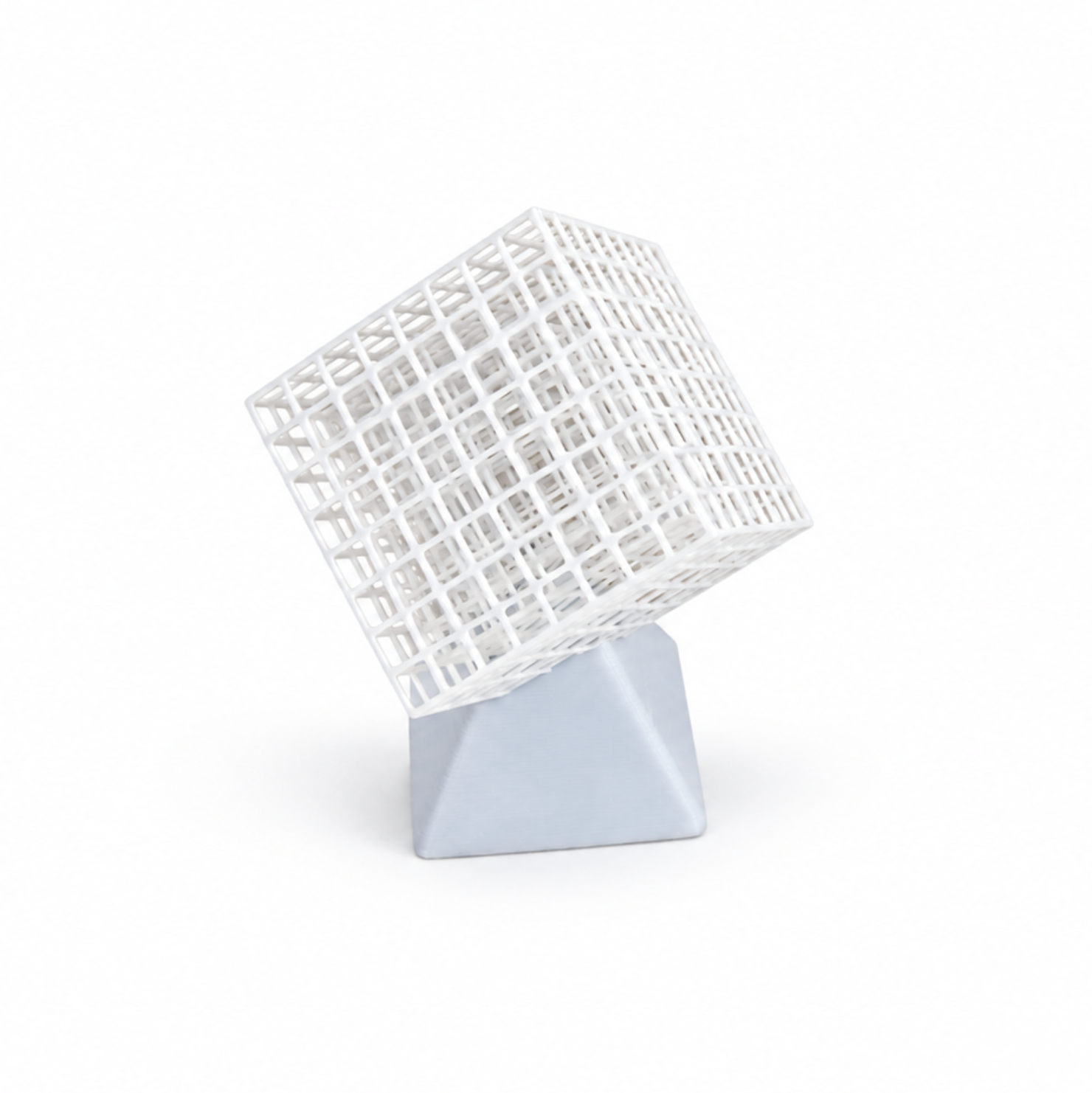
SLA forms a part by curing liquid resin with light. It reproduces small features and has less visible layering than FDM. Printed parts are washed, post-cured and inspected so the resin reaches its intended properties.
Models with smooth surfaces, defined edges and details for presentation or review.
Compact geometry, fine text and small features that coarser processes struggle to reproduce.
Detailed models for casting, form trials or subsequent manufacturing steps.
Different resins prioritize stiffness, toughness, heat resistance or transparency. Choose according to the real application, not just a colour or material name.
Typical tolerance is ±0.1 mm or ±0.05%, but supports, post-curing and geometry affect the result. Identify visible surfaces and critical dimensions before printing.
We assess walls, features, cavities, orientation and support locations.
The part is printed in the selected resin and cleaned of uncured material.
UV curing develops intended properties before support removal and inspection.
Tell us which surfaces and properties matter most so the build can be planned accordingly.
Typical tolerance is ±0.1 mm or ±0.05%. Final accuracy depends on part size, shape, supports and post-curing.
Standard resins can be more brittle than many thermoplastics, but engineering resins can prioritize toughness, flexibility or heat resistance.
SLA needs supports that leave contact marks when removed. We plan orientation to move them away from important surfaces.
Clear resins exist, but actual transparency also depends on geometry and finishing. Specify this requirement before quoting.
Yes, provided the selected resin meets the mechanical and thermal conditions. Describe loads and environment for assessment.
FDM is often better for larger parts, a wider thermoplastic range and economical functional components where a perfectly smooth surface is not essential.
Share the geometry, visible surfaces and functional requirements for a suitable resin recommendation.
Request a quote