Functional components
Brackets, housings, adapters and other parts for testing or real-world use.
Site under construction. Some functionality may not work as expected or be available. Questions? Contact support@perea3d.com

From digital model to physical part
Custom prototypes, functional components and small production runs in FDM or SLA, with practical advice before manufacturing.
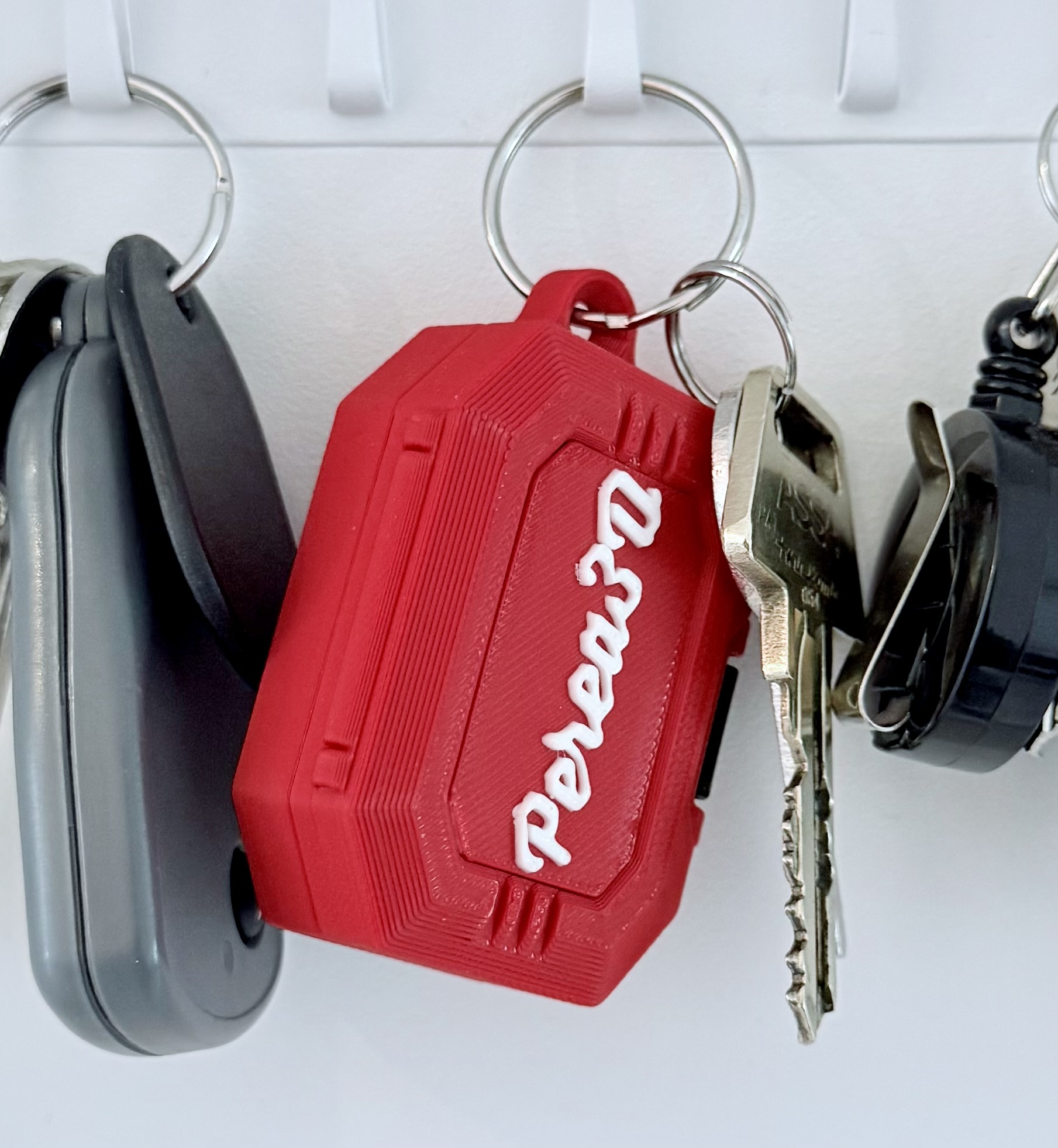
3D printing makes one-off parts and small batches possible without tooling. We review geometry, operating conditions and finish before recommending a process, material and build orientation. The result is shaped by what the part actually needs to do.
Brackets, housings, adapters and other parts for testing or real-world use.
Physical iterations to check shape, fit, ergonomics and assembly.
Workshop aids, jigs and low-volume components without injection-mould tooling.
FDM builds with thermoplastic and is often suitable for functional parts, larger geometry and economical iteration. SLA uses liquid resin for finer features and smoother surfaces.
Critical dimensions, load direction, temperature and environment influence both material and build orientation. Tell us how the part will be used, not just what colour it should be.
Send a 3D file, quantity and a short description of the application.
We assess manufacturability, process, material, orientation and finishing.
Parts are printed, finished where needed, checked and delivered.
You do not need every answer. Send what you have and we will identify anything missing.
STEP is useful when geometry may need review or edits. STL works for a finished print model. Photos, dimensions and a project description are also enough for an initial assessment.
We consider feature size, overall dimensions, mechanical requirements, finish and cost. FDM suits many functional parts; SLA is often chosen for fine detail and smooth surfaces.
Yes. We can review wall thickness, supports, fits and other printability details. If a new CAD model is needed, we scope that work separately.
Yes. Printing works well for one-offs, spare parts and prototypes, as well as short recurring production runs.
Timing depends on geometry, material, quantity and current capacity. We provide an estimated schedule with the quotation.
FDM has visible layer lines, while SLA is generally smoother. Finishing can improve appearance and should be specified before quoting.
Send your model or describe the idea. We will respond with questions, a process recommendation and a quote.
Request a quote